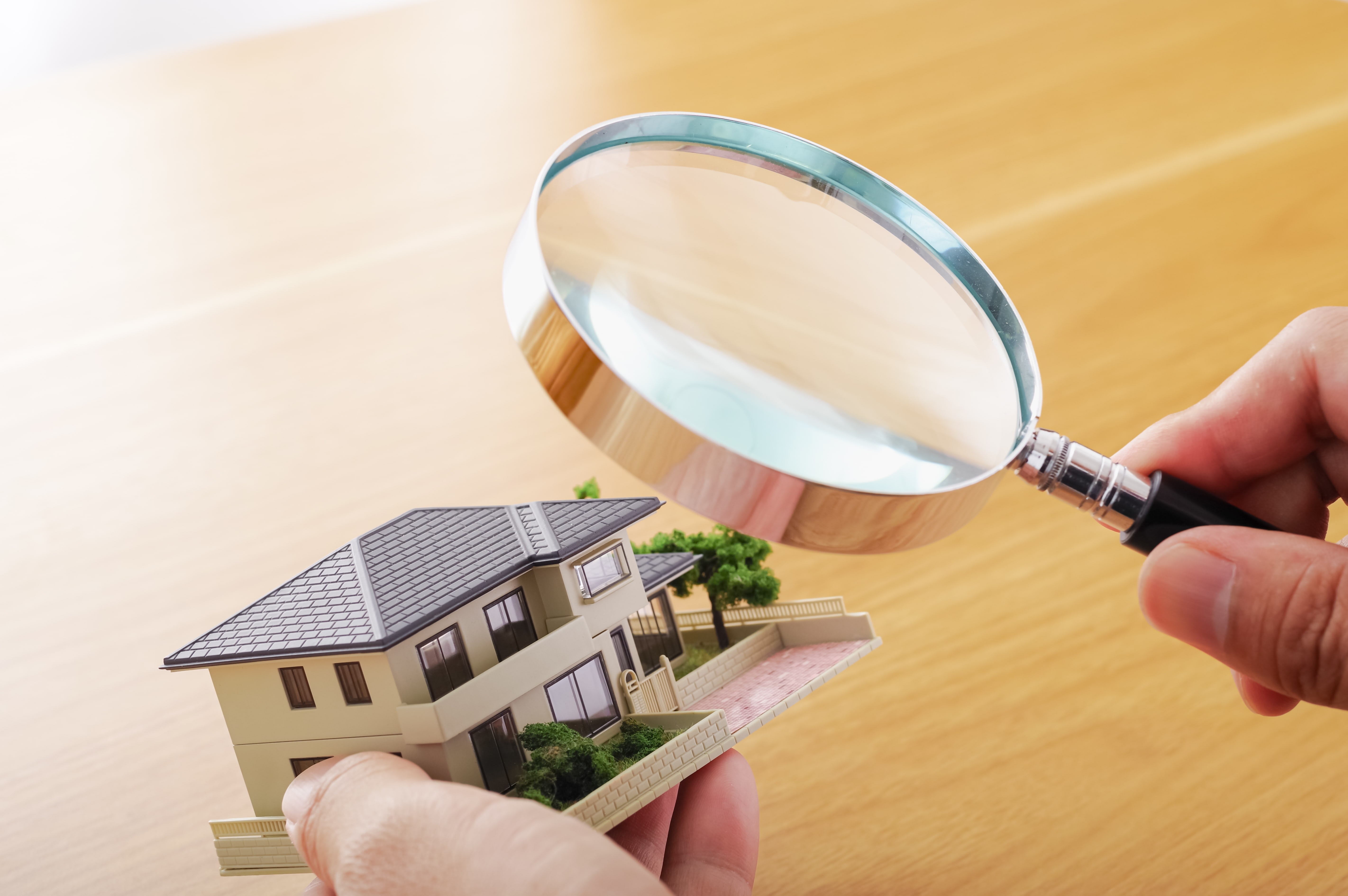
The home inspection process in Long Island, New York, involves several key steps to ensure that potential buyers have a clear understanding of the property's condition before finalizing a purchase. Here's a comprehensive overview of the process:
1. Choosing a Qualified Home Inspector
Licensing and Certification: Inspectors in Long Island must be licensed by the New York State Department of State. It's advisable to choose inspectors who are members of professional organizations such as the American Society of Home Inspectors (ASHI) or the International Association of Certified Home Inspectors (InterNACHI).
Experience and Reviews: Look for inspectors with substantial experience and positive reviews from previous clients.
2. Scheduling the Inspection
The inspection is typically scheduled after your offer is accepted but before the final closing. This allows any issues to be addressed as part of the negotiations.
3. Conducting the Inspection
Duration: A typical home inspection lasts about 2-4 hours, depending on the size and condition of the property.
Areas Covered: Inspectors examine the home's structure, roof, basement, heating and cooling systems, plumbing, electrical systems, and more. They check for signs of water damage, structural issues, and potential safety hazards.
Presence: I strongly suggest you be present during the inspection to ask questions and get firsthand information about any concerns.
4. Inspection Report
Detailed Findings: After the inspection, the inspector provides a detailed report, usually within 24-48 hours. The report includes photographs, descriptions of any issues found, and recommendations for repairs or further evaluation by specialists.
Summary of Issues: Major issues, safety concerns, and recommended repairs are highlighted.
5. Post-Inspection Actions
Negotiations: Based on the inspection report, you can negotiate with the seller to repair certain issues, reduce the price, or provide a credit at closing.
Further Inspections: If significant issues are found, you might need additional inspections by specialists, such as structural engineers, pest inspectors, or HVAC professionals.
6. Final Walkthrough
Before closing, buyers often do a final walkthrough to ensure that agreed-upon repairs were made and that the property is in the same condition as when the offer was made.
Tips for a Successful Home Inspection in Long Island
Research Inspectors: Take time to research and choose a reputable inspector with good credentials and reviews.
Understand Limitations: Recognize that inspectors can't see behind walls or predict future issues but can identify visible problems.
Be Informed: Ask questions during the inspection and seek clarification on any aspect of the report that you do not understand.
Local Considerations: Climate and Environment. Long Island's climate can affect homes differently. Inspectors will look for signs of damage related to humidity, salt air (in coastal areas), and other local environmental factors.
Common Issues: Be aware of common issues in Long Island homes, such as basement moisture problems, aging heating systems, and roof wear due to weather conditions.
Overall, a thorough home inspection is a crucial step in the home-buying process, providing valuable insights and helping buyers.